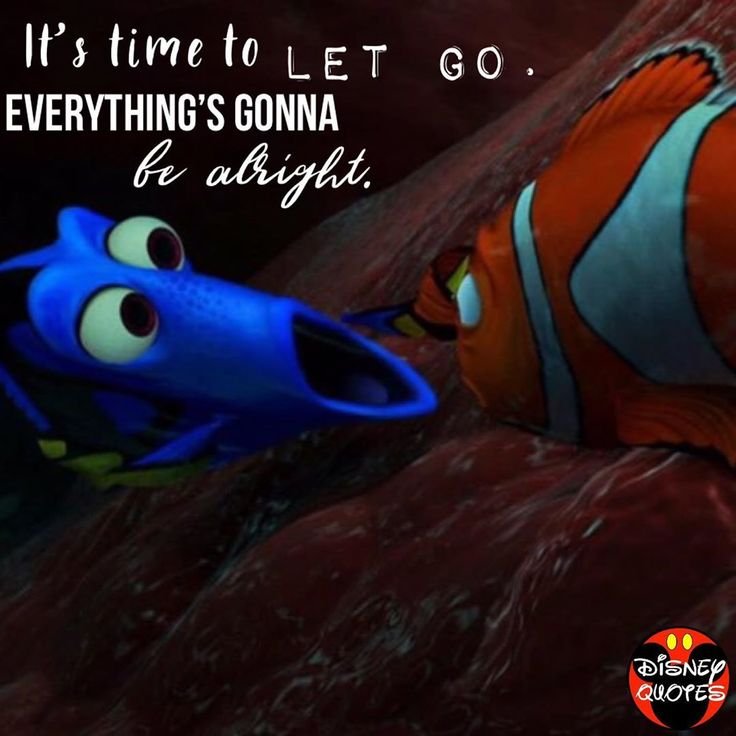
Dory, the lovable blue tang with short-term memory loss, captivated hearts long before she found her birth parents. While Finding Dory centers on her quest for family as an adult, it's the poignant, often heartbreaking, yet ultimately hopeful glimpses into her childhood that truly define her character. These early moments, filled with innocent wonder and her parents’ unwavering love, form the bedrock of her relentless optimism and resilience. Exploring the Most Memorable Baby Dory Scenes & Quotes isn't just a trip down memory lane; it’s an understanding of how Dory became the unforgettable fish we all adore.
These formative experiences aren't merely backstory; they are the very engine of Dory's journey, imbuing her adult struggles with profound emotional weight and making her triumphs feel incredibly earned. From learning life’s most crucial mantra to navigating the early challenges of her memory condition, Baby Dory's scenes are etched into the film's narrative, providing both context and immense emotional resonance.
At a Glance: Understanding Baby Dory's Impact
- Foundation of Character: Baby Dory's early life scenes reveal the origins of her optimism, resilience, and deep-seated need for connection.
- The Power of Parental Love: Her parents, Jenny and Charlie, are central to these memories, offering lessons in perseverance and unconditional acceptance.
- Emotional Core: These flashbacks provide a bittersweet context for Dory's memory struggles, making her quest profoundly moving.
- Iconic Phrases Born Early: Key Dory-isms, like "Just keep swimming," are directly tied to her childhood experiences.
- Universal Themes: Baby Dory's story explores themes of memory, belonging, identity, and the enduring strength of family bonds.
The Little Fish with a Big Heart: Baby Dory's Enduring Legacy
Long before she became Marlin's loyal companion or Nemo's honorary aunt, Dory was a small fish navigating a big world, grappling with a memory condition that made everyday life a challenge. Finding Dory masterfully uses flashbacks to paint a vivid picture of her early life, showing us not just what she forgot, but how her loving parents equipped her to face a life of constant forgetting. These moments are critical to understanding the adult Dory's unwavering spirit and her deep-seated fear of being alone.
Her innocence, vulnerability, and infectious joy in these early scenes make her subsequent separation and long search all the more impactful. We see the world through the eyes of a child trying to make sense of her unique condition, often with a smile, thanks to the patient guidance of Jenny and Charlie.
Chapter 1: The Foundations of Forgetting and Family Love
The earliest glimpses of Baby Dory are arguably the most heartbreakingly tender scenes in the entire film. They establish the profound love her parents have for her, as well as the unique challenges she faces with her short-term memory loss. These scenes show Jenny and Charlie working tirelessly to teach Dory coping mechanisms, always with patience and immense affection.
The Gentle Guidance of Parents: "We will never forget you, Dory."
One of the most powerful lines comes from Jenny, Dory’s mother, during a childhood flashback where they're teaching Dory how to navigate the reef and remember things:
"We will never forget you, Dory. And we know you will never forget us." (Scene: Childhood Flashback; Speaker: Jenny (Dory’s mother))
This quote isn't just a statement; it's a promise, a beacon of unconditional love designed to soothe a child who fears being forgotten and, perhaps more acutely, forgetting others. It highlights familial love's enduring impact, even amid memory struggles, serving as a constant reassurance that anchors Baby Dory's nascent understanding of her condition. It shows us how her parents tried to build a memory of their love that transcended her short-term recall.
Baby Dory's Vulnerability: "What if I forget you?"
In another deeply moving memory, we hear Baby Dory voice her deepest fear:
"What if I forget you? Would you ever forget me?" (Scene: Childhood Memory; Speaker: Young Dory)
This poignant question reveals the immense vulnerability and anxiety that even a small fish feels about her condition. It foreshadows the central conflict of the entire film and underscores the emotional toll her memory loss takes. It’s a moment of raw, childlike fear that immediately connects the audience to her struggle, making her quest for family not just an adventure, but a deeply personal and emotional journey for belonging and remembrance.
Innocent Joy Amidst Challenge: "I like sand. Sand is squishy."
Not all of Baby Dory's scenes are about her memory struggles. Some perfectly capture her innocent wonder and joyful spirit, despite her challenges:
"I like sand. Sand is squishy." (Scene: Childhood Memory; Speaker: Young Dory)
This simple, charming observation, made while she's playing on the ocean floor, provides a contrast to the later trauma and separation she experiences. It humanizes her character, reminding us that even with a challenging condition, there was (and still is) immense capacity for simple happiness and curiosity. It's a snapshot of a carefree moment, illustrating the pure, unadulterated joy that her parents cherished and fostered.
Chapter 2: Courage Born from Care: Embracing the Unknown
Baby Dory's parents didn't just teach her about her memory; they also instilled in her a spirit of adventure and resilience. They understood that to live a full life, Dory would need courage, even when her memory might fail her. These lessons become the bedrock of her adult character, allowing her to face terrifying challenges with an almost naive bravery.
The Undertow Lesson: "We see the undertow and we say… LET’S GO!"
Perhaps the most direct lesson in courage and adaptability comes from Dory's parents as they teach her about natural currents:
"We see the undertow and we say… LET’S GO!" (Scene: Childhood Flashback; Speaker: Dory’s Parents)
This isn't just about swimming; it's a philosophy for life. It encourages embracing adventure over fear, teaching Dory to confront potentially dangerous situations with a positive, proactive attitude. This powerful sentiment directly shapes Dory's boldness and willingness to dive headfirst into the unknown, a trait that serves her time and again throughout both Finding Nemo and Finding Dory. It's a testament to her parents' foresight in preparing her for a life where caution might be forgotten, but an adventurous spirit would remain.
Chapter 3: "Just Keep Swimming": The Ultimate Baby Dory Lesson
While the iconic phrase "Just keep swimming" is most famously uttered by adult Dory, its origins are unequivocally rooted in the lessons of perseverance taught to her as a child. It's a mantra passed down, absorbed, and then weaponized against every challenge she faces, becoming a symbol of hope and persistence for herself and those around her.
The Mantra of Resilience: "Just keep swimming."
The phrase itself, simple yet profound, embodies Dory's entire approach to life:
"Just keep swimming." (Scene: The Open Ocean; Speaker: Dory)
Though she says it as an adult, it's clear this was a coping mechanism her parents ingrained in her. It urges perseverance despite challenges, becoming Dory’s go-to advice when faced with adversity, whether it's navigating a vast ocean or confronting a difficult emotional truth. It's a reminder that even when you forget the destination or the reason, the act of moving forward can, in itself, lead to solutions.
Reinforcing Hope: "When life gets you down..."
Dory expands on this mantra, articulating its emotional depth:
"When life gets you down, you know what you gotta do? Just keep swimming." (Scene: Jellyfish Field; Speaker: Dory)
This version reinforces hope as a survival tool during despair. It’s not just about physical movement, but about maintaining a positive outlook and continuing to strive, even when the odds seem insurmountable. This inherent optimism, nurtured in her childhood, makes Dory an inspiring figure, always finding a silver lining or a new path forward.
Chapter 4: Finding Home, Finding Herself: The Deep Echoes of Childhood
Baby Dory's early struggles with memory and her parents' protective love create a deep-seated desire for belonging that drives her adult journey. Every friendship she makes, every risk she takes, is subconsciously influenced by the indelible lessons and fears from her youth. Her ultimate reunion isn't just about finding her parents; it's about validating the efforts of her past and solidifying her sense of self. To understand more about Dory's early life, you can read All about Baby Dory.
The Comfort of Connection: "I look at you, and I’m home."
Dory's profound declaration to Marlin speaks volumes about her quest for belonging, a feeling deeply rooted in her early family bonds:
"I look at you, and I’m home." (Scene: Whale Encounter; Speaker: Dory)
This emotional confession isn't just about Marlin; it’s about finding a sense of belonging through connection, a desire ignited by her separation from her first home. It shows how her capacity for love and loyalty, fostered by her parents, allows her to create new "families" wherever she goes, always seeking that fundamental feeling of being safe and recognized.
The Triumph Over Forgetting: "Darn it… no matter how hard I tried I couldn’t forget you."
The culmination of Dory's lifelong struggle with memory and her yearning for family comes in a truly emotional moment:
"Darn it… no matter how hard I tried I couldn’t forget you." (Scene: Reunion with Parents; Speaker: Dory)
This quote encapsulates her entire journey. It's the bittersweet triumph of her heart remembering what her mind couldn't. It signifies the enduring strength of familial bonds that even short-term memory loss cannot erase entirely. Her parents’ belief that she would never forget them ultimately proved true, albeit in Dory’s unique way.
Forging New Destinies: "Marlin and Nemo are more than just friends… they’re destiny."
Dory's unwavering belief in the strength of her bonds with Marlin and Nemo, even as she searches for her biological family, highlights the powerful impact of her childhood lessons on loyalty and friendship:
"Marlin and Nemo are more than just friends… they’re destiny." (Scene: Journey to California; Speaker: Dory)
This affirms fate’s role in forging unbreakable bonds, underscoring how her need for connection, so evident in her early vulnerability, manifests in her deep attachments. Her understanding of "family" expands beyond blood, encompassing the chosen connections that support her through thick and thin.
Chapter 5: Humor and Heart: Baby Dory's Wit in Action
While many of Dory's most overtly humorous lines come from her adult self, her childlike innocence and directness often set the stage for her unique brand of wit. These moments, though perhaps not delivered by Baby Dory herself, show the core personality traits that were evident from a young age.
Playful Problem-Solving: "You're not an octopus, you're a septopus."
Dory's simple yet effective logic often cuts through tension with a touch of innocent humor:
"You lost a tentacle? Well, then you’re not an octopus, you’re a septopus." (Scene: Marine Life Institute; Speaker: Dory)
This line, delivered to Hank the septopus, showcases Dory’s problem-solving wit and her ability to disarm tense situations with an almost childlike honesty. This trait, of seeing things simply and literally, feels like a direct evolution of her youthful innocence and lack of pretension.
Trusting Others: "It’s the ocean, silly, we’re not the only two in here."
Dory's inherent trust in others, a core part of her character, is evident in her earliest interactions and continues to guide her:
"It’s the ocean, silly, we’re not the only two in here." (Scene: Search for Nemo; Speaker: Dory)
While an adult Dory quote, it reflects the openness to the world and its inhabitants that her parents fostered. It reminds Marlin (and us) to trust others and reject isolation, a lesson that would have been vital for a young Dory prone to getting lost. Her unwavering belief in the goodness of strangers is a heartwarming aspect of her character, traceable to her fundamental nature.
Chapter 6: More Than Just Memories: The Thematic Legacy of Baby Dory
Baby Dory's scenes and quotes are a masterclass in establishing thematic depth. They provide the emotional and psychological context for every subsequent adventure, making her adult journey resonate on multiple levels. The film uses these foundational moments to explore universal themes that connect with audiences of all ages.
Perseverance: The Undying Spirit
Baby Dory's struggles with memory, and her parents' consistent encouragement, lay the groundwork for her incredible perseverance. The idea that "Every setback is a setup for a comeback!" isn't just a catchy phrase; it's the lived experience of a character who constantly faces and overcomes obstacles. Her early life teaches us that even when you forget why you're swimming, the act of moving forward is its own reward.
Family and Love: The Unbreakable Bonds
The heart of Baby Dory's story is the unconditional love of her family. Their promise, "Family is forever, and love is the anchor that keeps us grounded!", echoes through her entire journey. It's the memory of their love, not necessarily their faces, that eventually guides her home. This theme highlights that love creates connections that transcend even the most challenging conditions.
Hope: A Beacon in the Depths
Despite her constant memory resets, Baby Dory's spirit is infused with hope. Her parents taught her to "Hope is like a beacon; it guides us through the darkest oceans!" This perspective allows her to approach every new encounter and challenge with optimism, believing that good things will happen if she just keeps trying. This deep-seated hope is a direct legacy of her childhood environment.
Authenticity: Embracing Her True Self
Baby Dory's parents never tried to "fix" her; they embraced her short-term memory loss as part of who she was. This allowed her to develop with a strong sense of authenticity, understanding that "Be yourself, even if you forget what that means sometimes!" Her quirks are her charm, and her unique way of seeing the world, fostered in her youth, makes her truly special.
Why Baby Dory's Moments Resonate So Deeply
The scenes featuring Baby Dory are arguably the emotional bedrock of Finding Dory. They tap into universal anxieties about losing loved ones and being forgotten, while simultaneously celebrating the extraordinary power of parental love and a child's inherent resilience.
- Empathy and Connection: Seeing Dory as a vulnerable child makes her adult quest intensely personal. We empathize with her fear of forgetting and her desperate need to reconnect with her past.
- The Origin Story of Optimism: These flashbacks explain why Dory is so incredibly optimistic despite her challenges. Her parents deliberately armed her with tools for coping, turning potential despair into hopeful persistence.
- Universal Appeal of Family: The unconditional love displayed by Jenny and Charlie is a powerful, universal theme. Their patience, dedication, and creative methods for helping Dory are truly inspiring.
- Bittersweet Reality: The delicate balance between her joyful innocence and the ever-present shadow of her memory loss creates a bittersweet emotional landscape that makes the film unforgettable.
Revisiting Dory's Early Journey: A Timeless Message
The Most Memorable Baby Dory Scenes & Quotes are more than just cute flashbacks; they are the narrative and emotional foundation of one of Pixar's most beloved characters. They show us that strength isn't just about what you remember, but about the lessons you internalize, the love you receive, and the spirit you carry forward.
Her early life teaches us that even when memory fails, the essence of who we are—our capacity for love, our drive to connect, and our resilience in the face of adversity—can endure. Dory's story reminds us to cherish every moment, embrace our unique qualities, and above all, just keep swimming. The profound impact of her childhood continues to inspire, reminding us that with enough love and perseverance, we can navigate any ocean.